Media Production · August 2, 2026
Synchronizing Motion and Still
How unified film and photography direction elevates commercial product launches.
Elsie · Founder & Director
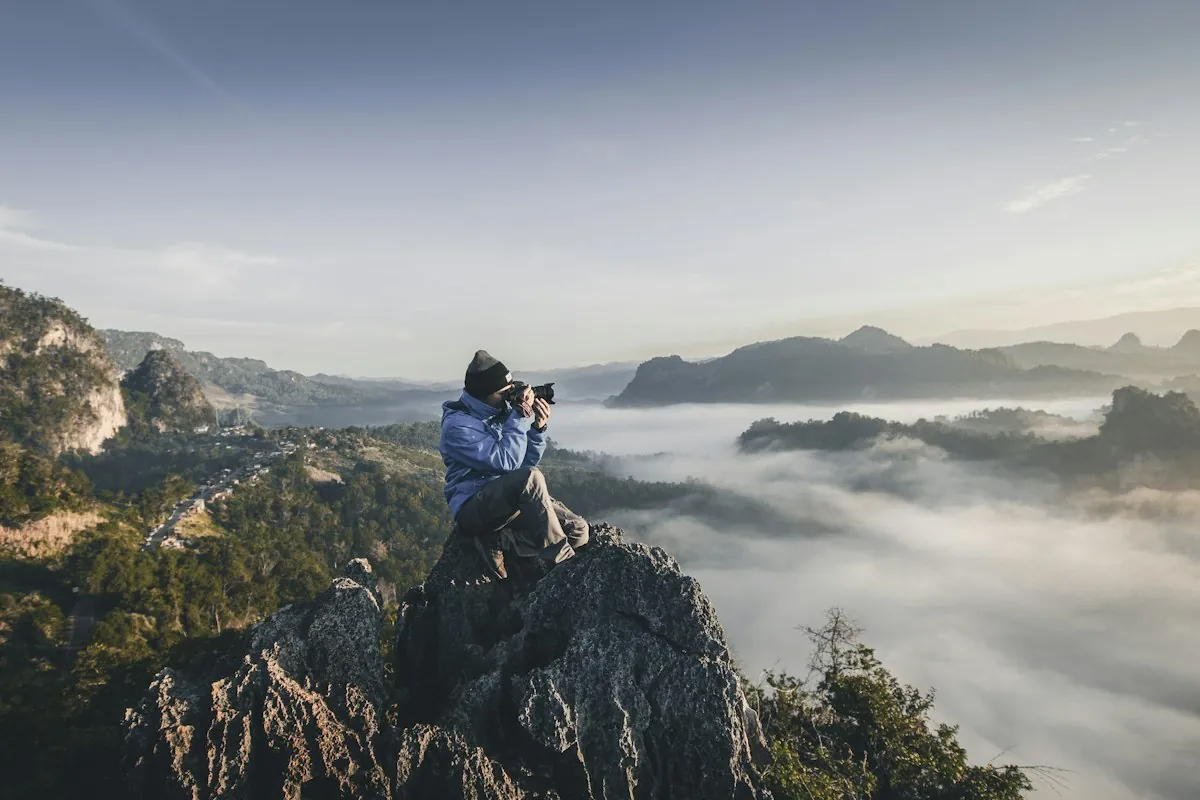
The Fragmented Production Problem
Traditionally, brands hire a commercial film crew on Monday and an independent still photographer on Thursday. The result is inevitably disjointed: the lighting temperature differs, the color grading fights against the photography, and the digital website feels like a collage of conflicting aesthetics rather than a unified world.
A brand is experienced as a continuous narrative. If your motion assets and still frames conflict, the customer senses the illusion breaking.
Single-Lens Art Direction
At Elsie Web Agency, our photography and video productions operate from a unified lighting grid and shared color science. When our cinema camera rolls on a brand film or music spot, the same set and illumination scheme is calibrated for our still capture. This ensures that when a visitor transitions from the video hero on your homepage to the product detail imagery, the visual continuity is unbroken.
Optimizing for the Web First
Cinema cameras produce gorgeous raw files, but web delivery demands extreme discipline. We engineer custom silent looping web masters encoded specifically for modern browsers, achieving 60fps fluidity at a fraction of standard bandwidth. Video should enhance the interface, never weigh it down.
Anatomy of a unified shoot day
A typical brand day runs in blocks built around the light, not around the gear. We open with the motion setups because they take the longest to light, and while the scene is hot the stills camera works the same marks between takes. Lunch is when we review the morning’s frames against the layout they have to live in. A hero crop is sixteen by nine until it is a phone screen, and discovering that in the edit suite is too late. The afternoon is coverage: details, hands, texture, the quiet frames that end up carrying half of a page’s credibility. By wrap, every asset already has a destination. Nothing goes into the “maybe” folder, because the maybe folder is where production budgets go to die.
One grade, two media
Color is where most split productions fall apart. The videographer grades for the cinema look they saw on a showreel; the photographer edits toward whatever their preset pack does. Put the results on the same page and the visitor feels the seam even if they cannot name it. Our answer is a single color decision made once, on set, and carried through both pipelines. Same white balance targets, same contrast curve, same reference frames pinned up beside the monitors. The film and the stills stop being two products and become one world.
Directing people for two cameras at once
The hardest part is not technical. It is human. A subject who performs for a motion camera and then freezes awkwardly for stills gives you footage that breathes and photos that die. We direct for the still first: find the honest moment, hold it, then let the motion camera catch it living. It is slower per setup and faster per day, because you stop collecting hundreds of frames you would never publish. Ten photographs that look like the person actually is are worth more than two hundred that look like a headshot session happened to them.
What this means for the finished site
When the assets come from one set and one grade, the page stops feeling assembled. The hero film hands off to the photography without a change in temperature. The team portraits sit comfortably next to the product frames. Even the captions feel calmer, because they are describing a world instead of stitching one together. Visitors rarely articulate why a site like this feels expensive. They just stay longer, scroll further, and inquire more. Which is the entire point.
If you are planning a shoot for a new site or a rebrand, the cheapest decision you can make is also the earliest: put both cameras in the same room, on the same day, under the same light. The continuity you get for free that day cannot be purchased later at any price.
The paperwork that saves the shoot
Every production we run starts with a document most clients have never seen from a creative team: a shot list mapped to the sitemap. Not “get some atmosphere”. An explicit list where every frame has a destination. Hero loop for the homepage, three vertical crops for social, two texture stills for the services page, a portrait set for the about page. When the day gets chaotic, and shoot days always get chaotic, that document is the difference between improvising with purpose and collecting pretty footage with nowhere to live. The website is designed before the shoot, so the shoot can be designed for the website. That ordering sounds obvious. Almost nobody does it.
Data discipline on set
The unglamorous part that protects everything else: cards are offloaded twice on set, to two separate drives, before any card is formatted. Footage is logged the same evening with selects marked while the day is still fresh. Raw masters are archived for a year after delivery, because clients reliably return asking for a reframe or an extended cut for a platform that did not exist when we shot. None of this appears on an invoice line, but it is the difference between a production company and a person with a camera.
Licensing, in plain terms
One more thing we put in writing before the day: usage. Every asset we shoot for a client is licensed to them for their own marketing, everywhere, forever. Web, social, print, ads. No per-placement fees, no renewal letters two years later. Music for films is licensed properly too, which matters more than people think the first time a platform mutes their launch video over an unlicensed track. Boring paperwork. It only becomes exciting when it is missing.
What happens after delivery
Delivery is an organized library, not a dump: web masters, print-resolution stills, vertical cuts, and the source project, all named so a future you can find anything in thirty seconds. Then, a few months after launch, we check which assets the site actually uses most, which frames visitors linger on, which loops earn replays, and that read shapes the next shoot. Production stops being a one-off expense and starts being an editorial program. That is when clients stop thinking of film and photography as decoration, and start treating it as the evidence their whole pitch runs on.
The weather plan, and other unglamorous insurance
Outdoor shoots in Vancouver come with a statistical reality: it rains. Every exterior day we book carries a covered fallback location and a reschedule window agreed in advance, so weather is a scheduling decision, never a crisis. The same thinking covers people. If a key person cannot make the day, the shot list already marks which frames are essential and which are nice to have. Preparation is not pessimism. It is what lets a small crew move like a big one when conditions are good, and survive gracefully when they are not.
Why one crew costs less than two
The commercial case is worth stating plainly, because it is usually what settles the question. Hiring one unified production means one day of location costs, one setup of lighting, one round of the client’s team being pulled away from their actual work. Instead of two of everything, weeks apart. The savings are typically a third of the combined budget, before you count the softer costs: no scheduling collisions, no conflicting edits to referee, no brand inconsistency to repair after the fact. Unified production is not a luxury tier. It is the efficient option that happens to look like the expensive one.
Bring us the date before you bring us the mood board, and we will bring the light. That sequencing, sitemap, then shot list, then shoot, is the entire method. Everything else is craft in service of it.
A word to the client who has been burned before: the disjointed campaign you paid for was not bad luck, and it was not your fault for not supervising closely enough. It was a structural failure. Two vendors, two briefs, two definitions of the brand. The fix is structural too. One team, one day, one grade, one standard. When the person lighting your hero film is the same person choosing your page imagery, coherence stops being a hope and becomes the default. That is the production model we run, and it is why our sites look like someone meant them.
If you remember one image from this piece, make it this one: the editor, the colorist, and the web developer looking at the same frame on the same monitor before the shoot, not after it. That meeting costs an hour and saves a campaign. Everything we have described, the grid, the grade, the library, is just infrastructure to protect that single shared decision. Get the decision right together, and the media stops needing to be synchronized at all. It was born that way.
One crew, one day, one grade, one library. It reads like a slogan, but ask anyone who has untangled a two-vendor campaign: the slogan is the cheap version. The expensive version is learning it mid-project.