Media Production · October 21, 2026
Shot for the Edit
A brand film is made in pre-production. The shoot is just collection.
Elsie · Founder & Creative Director
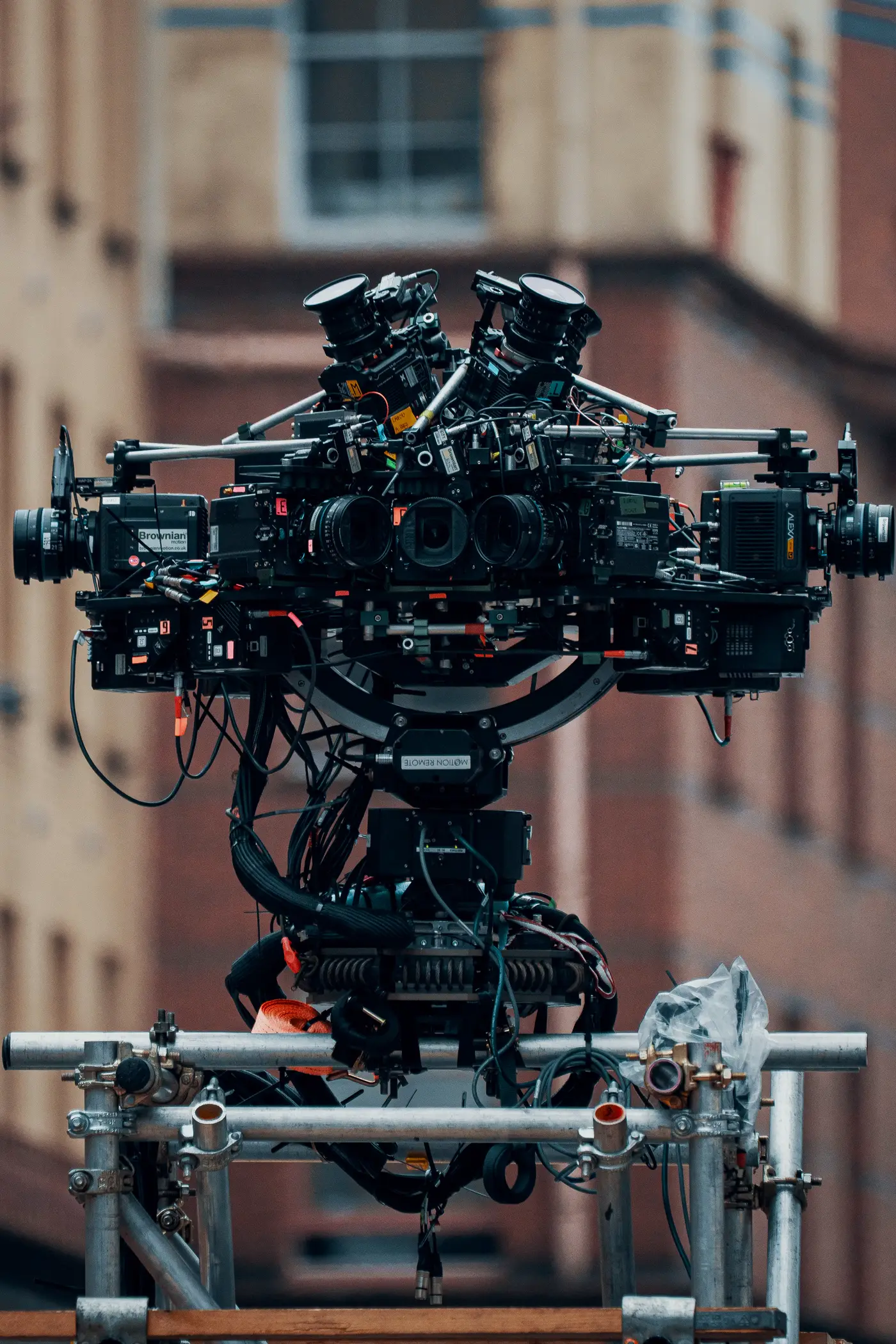
Every studio has a folder like this. A hard drive from a shoot two years ago: four hours of decent footage, no story, no plan, no finished film. The shoot day went fine. Everyone was lovely. The light was good. And none of it ever became anything, because the team bought a shoot day when they thought they were buying a film. A film is not footage. A film is a series of decisions, and almost all of them happen before the camera comes out of the bag.
Start with the thirty seconds that matter
The first question we ask a film client is not about locations or gear. It is: what should a stranger believe about your company thirty seconds after this video ends? Not ten things. One thing. “These people are meticulous.” “This product is built to outlive me.” “This place feels like the good part of town.” Once that sentence exists, every downstream decision has a test to pass. A shot that does not serve the sentence is a shot we do not spend daylight on. A shoot without the sentence is how you end up with four beautiful hours of nothing.
The treatment is the contract
Our pre-production document is short and unglamorous: the one-sentence point, the audience, the three or four scenes that will carry it, the tone references, the deliverables list with exact durations and formats, and the schedule. Clients are sometimes surprised that we spend more billable time on this than on camera settings. The treatment is where the film is actually made. Everything after is execution against it. When a client approves a treatment, they have approved the film; the shoot is how we collect it.
Build the shot list backwards from the cut
Amateur shot lists are inventories of everything interesting at the location. Ours are built backwards from the edit. We write the rough structure of the final film first: open on this, establish that, detail, detail, human moment, close. Then the shot list is just the footage that structure requires, with notes on lens, movement, and light for each. On the day, we are not hunting for material. We are filling slots in a film that already exists on paper. This is why our edits come together in days instead of weeks; the assembly was designed before a single frame existed.
We still leave room for the unplanned. The rule is that the planned coverage gets completed first, and improvisation happens with whatever time remains. The spontaneous shot that makes the final cut is a gift. The spontaneous approach that replaces a plan is a liability.
One lighting plan, two deliverables
Because we shoot stills and motion under the same roof, our lighting plans are designed once and used for both. The grid we build for the hero film scene is calibrated so the photographer can step in during the same setup and pull product stills that match the film frame for frame: same key direction, same color temperature, same contrast ratio. The result is a campaign where the website hero video, the product photography, and the social cuts all look like one world, because they are one world. Clients used to hire three vendors and hope the color science matched. Hope is not a color pipeline.
Sound is half the picture
Audiences will forgive a soft frame. They will not forgive bad sound. We record location audio properly, plan the music before the shoot so the cutting rhythm is known in advance, and capture room tone at every location so the edit can breathe. If the film includes a voice, whether that is an owner interview or a voiceover, the script is written, revised, and timed before the shoot day, never during it. The number of films ruined by an improvised interview answer that rambles past the point is beyond counting.
What the shoot day actually looks like
Clients expect drama. A good shoot day is boring in the best way: call sheet, first setup lit before anyone important arrives, scenes in the order the light dictates, lunch when the schedule says lunch. The crew moves quietly and the client’s team can mostly keep working. We build slack into the schedule because locations always cost more time than expected, and we protect the two or three setups that carry the film so they can never be squeezed by an overrun on a nice-to-have. The day ends with the footage backed up twice before anyone leaves the location. There is no heroism in our process, and that is the point.
Coverage is not intention
The industry has a volume problem. Cameras got cheap, storage got cheaper, and the result is shoots that capture everything and decide nothing. Ten hours of coverage is not ten times the value; it is usually ten times the indecision, dumped on the editor to resolve. Intention scales differently. A ninety-second film needs a surprisingly small number of great shots, chosen in advance, executed well. We would rather spend a shoot day getting eight frames we believe in than eighty we will sort through later.
Deliverables are decided before the shoot
A brand film is not one video anymore. It is the hero loop on the homepage, the ninety-second cut for the about page, the fifteen-second verticals for social, the stills pulled for the pitch deck. Each of those has different framing, pacing, and duration requirements, and retrofitting them from a single edit is how you get cropped heads and text cut off at the edges. We plan the whole deliverables list before the shoot, frame the masters to survive the vertical crop, and capture the extra plates the short cuts will need. The shoot is slightly longer. The campaign is dramatically better.
What clients can do to help
Three things make every shoot better. First, decide who can approve things on the day and make sure that person is reachable; nothing burns schedule like a question waiting on a committee. Second, prepare the space the way you would for your best customer, because that is exactly who will see it. Third, warn the team that they will be on camera and let the nervous ones opt out early. Forced on-camera anxiety reads on screen instantly, and the relaxed accounts-payable person who volunteered at lunch will outperform the executive who dreads it every time.
The location scout is not optional
Every location gets scouted before the shoot, at the same time of day the scene will be filmed. We are checking where the sun will actually be, what the background sounds like at 2 PM on a weekday, where power comes from, and what the space looks like through a lens rather than a memory. A restaurant that feels moody at dinner can be flat grey at noon. A workshop with great light has a compressor that cycles on every four minutes and ruins audio. The scout is where those surprises get cheap. On the shoot day they are expensive.
Small crews, senior hands
We run compact crews on purpose. A director shooting, a gaffer, a sound recordist, and a producer is enough for most brand films, and it keeps the set calm and the client’s space functional. The money goes into experienced people and the right light, not into a crowd of day-rate bodies standing around a monitor. Large crews have their place on large productions. For a two-minute brand film, they mostly produce waiting.
Finishing is where polish lives
The edit is only the middle of post-production. Color grading is where footage becomes film: the contrast shaped, the palette unified, the skin tones protected. Then the mix, where dialogue, music, and room tone are balanced so nothing fights. Then the mastering, exports tuned for each platform instead of one file stretched everywhere. Each stage is a day or two of quiet, focused work that audiences will never consciously notice and would immediately feel if it were missing.
We are asked occasionally why pre-production costs what it does when “the shoot is only one day.” The honest answer is that the shoot is only one day because the preparation was three weeks. Compress the preparation and the shoot grows to three days, the edit grows to a month, and the film still ends up thinner. There is no version of the math where skipping the thinking makes anything cheaper.
A film is not footage. A film is a series of decisions.
That hard drive full of orphaned footage from the beginning of this article exists because someone skipped every step above and went straight to the fun part. The fun part is only fun when the film already exists on paper. Shoot for the edit, and the edit is easy. Shoot for the folder, and the folder is where it stays.